




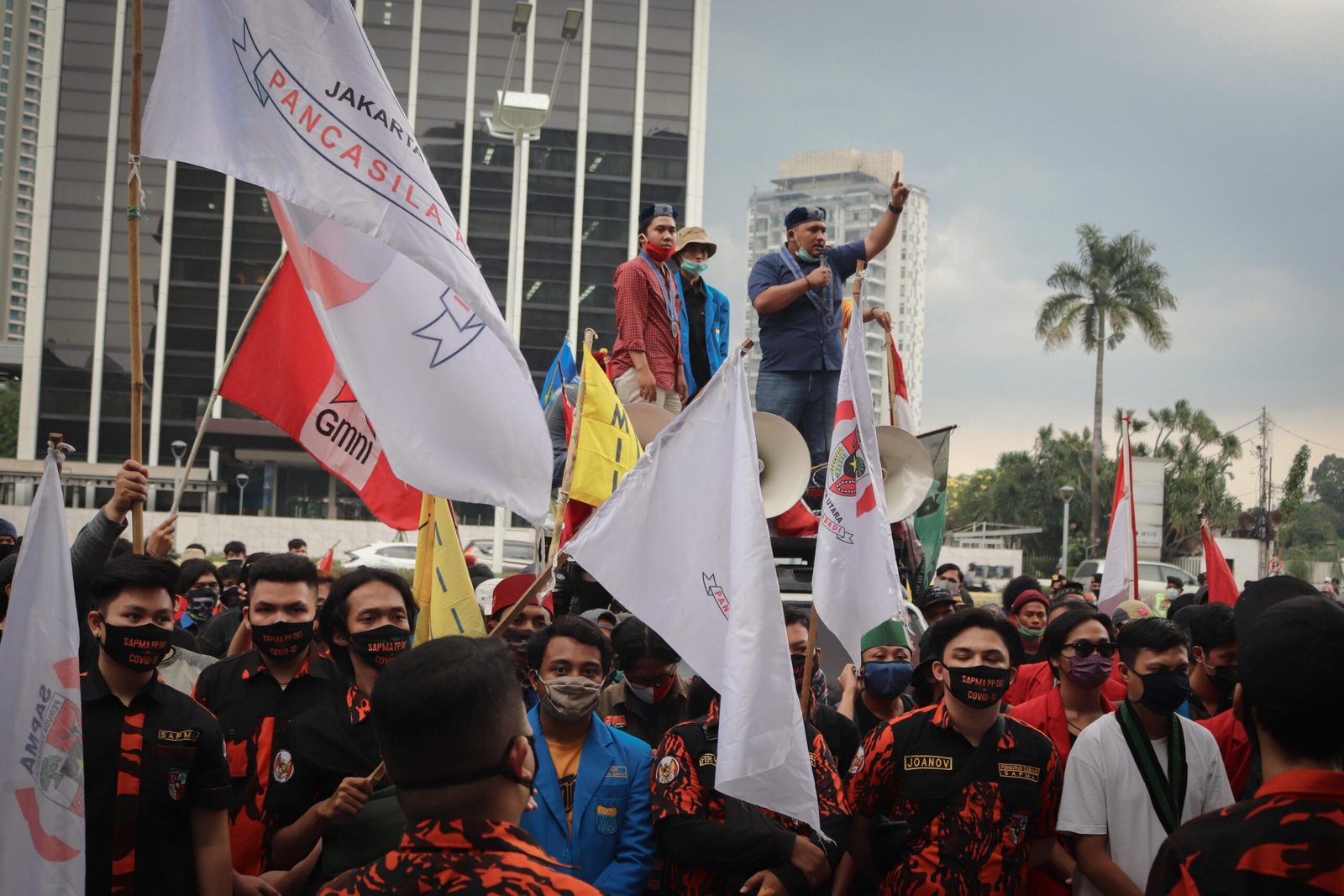
The Pakistan Tehreek-e-Insaf (PTI) has unveiled plans for a significant public gathering in Karachi on September 6th at Shahrah-i-Quaideen. This announcement was made on Thursday, coinciding with the upcoming visit of Khyber Pakhtunkhwa Chief Minister Sohail Afridi, who will begin a four-day tour of Sindh starting September 3rd. During this tour, Afridi will be accompanied by the party’s central leadership.
Haleem Adil Sheikh, PTI Sindh President, shared these details during a press conference in Karachi. He outlined that the delegation, led by CM Afridi, will receive a grand reception at Kamoon Shaheed at 11 am, marking the commencement of their journey through various Sindh cities. The itinerary includes stops from Jacobabad to Naushehro Feroze on September 4th, continuing to Hyderabad on September 5th, and culminating in Karachi on September 6th.
Sheikh emphasized that the tour is part of the PTI’s broader street movement, with plans for substantial gatherings in numerous cities. He expressed confidence in receiving official permission for the major rally in Karachi, adding that the event would proceed regardless of the permission status.
The rally coincides with Pakistan’s Defence Day, and PTI aims to highlight issues concerning national defense and citizens’ rights. At the same press briefing, PTI Secretary General Salman Akram Raja declared that September 27th would be observed as Democracy Day, featuring protests demanding the release of PTI founder Imran Khan. Raja urged citizens to persist in advocating for their rights, framing this as a critical juncture for the nation’s future.
Raja criticized the electoral process, alleging widespread rigging and the theft of PTI’s electoral mandate, particularly in Karachi and Lahore. He lamented the imposition of candidates rejected by voters and highlighted systemic disparities affecting the poor, such as the recent tragedy at the Pakistan Institute of Medical Sciences, where 14 newborns died due to inadequate healthcare.
The PTI Secretary General further commented on educational inequalities, noting that 25 million children are out of school and that the country faces significant educational and social segregation. Raja called for systemic reforms to support the underprivileged, advocating for equal educational opportunities for all children.
He also addressed issues of press freedom, criticizing the silencing of journalists and the suppression of democratic processes. Raja stressed the need for genuine representation in governance, advocating for stronger local government systems and the devolution of powers.
Concluding his remarks, Raja called for public mobilization, suggesting that mass participation in protests could lead to systemic change.