








In 2022, Pakistan reported a staggering 1.8 million cases of malaria, underscoring a lack of effective government preparedness in addressing this urgent health issue. The situation in Sindh province is particularly alarming; on one day alone, from a screening of 10,033 individuals, 916 tested positive for the disease. Hyderabad division reported the highest cases, with 410, followed closely by Larkana with 208. Doctors have identified that the resurgence is primarily due to vivax malaria, often resulting from patients discontinuing treatment once their symptoms improve.
The persistence of malaria can largely be attributed to a combination of factors including poverty, climate change, and inadequate healthcare systems, which make medical care a privilege rather than a basic right. In Karachi, healthcare professionals suggest that the actual number of malaria cases could be even higher than the official figures, with reports indicating around 25 cases, along with some instances of dengue, surfacing weekly.
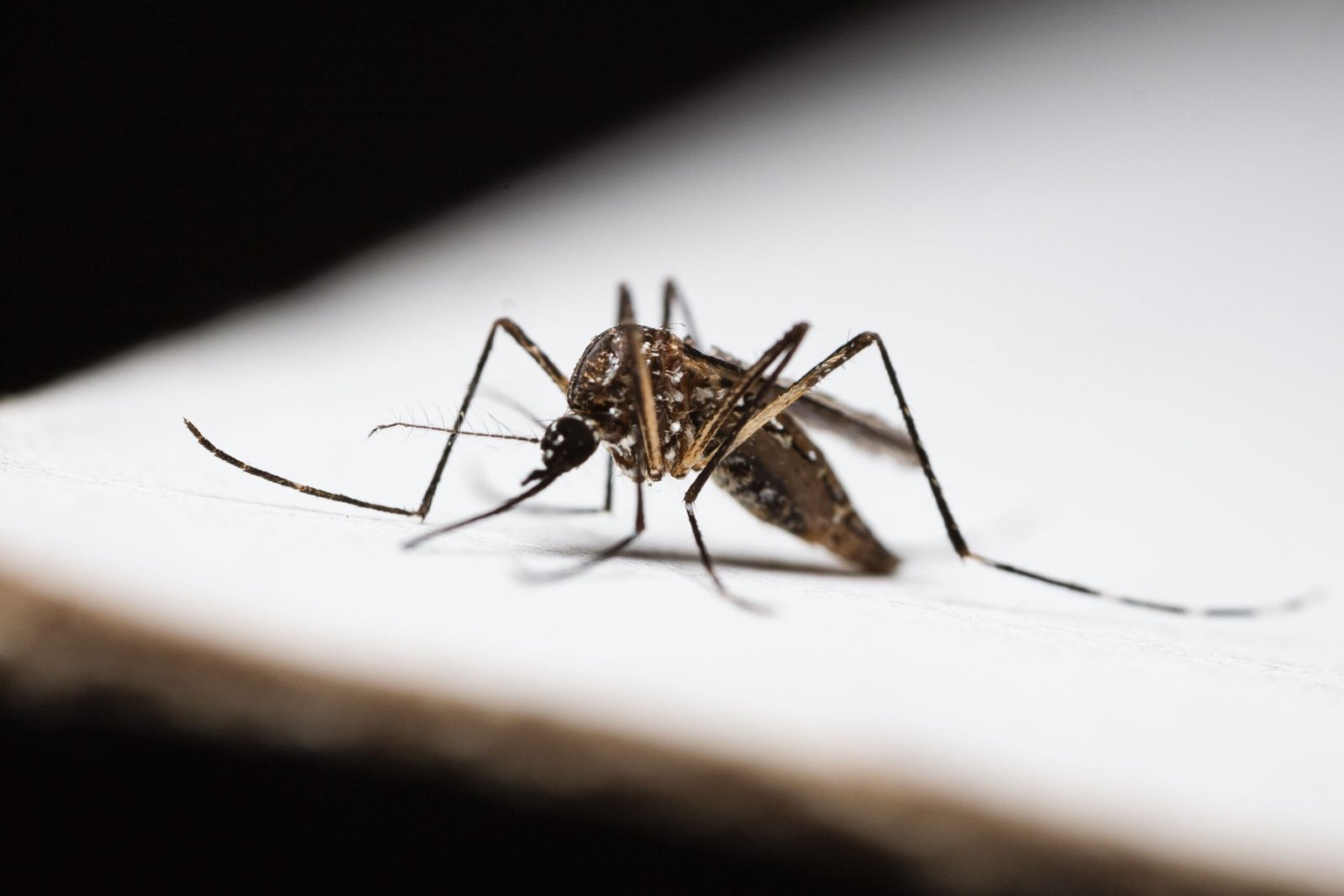
The changing climate, erratic monsoon patterns, and increasing poverty contribute to the proliferation of mosquito breeding sites, complicating control efforts. The Pakistan Medical Association has pointed to the city’s failing sewerage infrastructure and adverse weather conditions as contributing factors to the rising malaria cases.
Experts are sounding the alarm that without comprehensive prevention strategies and vigilant monitoring, the malaria situation could deteriorate significantly. The ongoing transmission of the disease across various regions, especially in rural areas of Sindh and Khyber Pakhtunkhwa (KP), as well as parts of Balochistan, highlights the glaring deficiencies in the country’s healthcare framework.
There is a notable absence of political will to tackle the systemic issues that contribute to the malaria crisis. It is imperative for rural health centers and health units to be equipped with the necessary diagnostic tools, medications, and trained personnel. Surveillance efforts cannot be overlooked, especially in light of the diminishing foreign aid. Local investment in malaria control is crucial as international health funding faces increasing pressures.
For Pakistan to effectively combat malaria and other vector-borne diseases, prioritizing public health is essential. Without enhanced preventive measures, the nation risks facing severe outbreaks that could have devastating consequences.